Elena Friedrich · 20 September 2026
Digital Tools Transforming How Researchers Locate and Purchase Specialty Vials Online
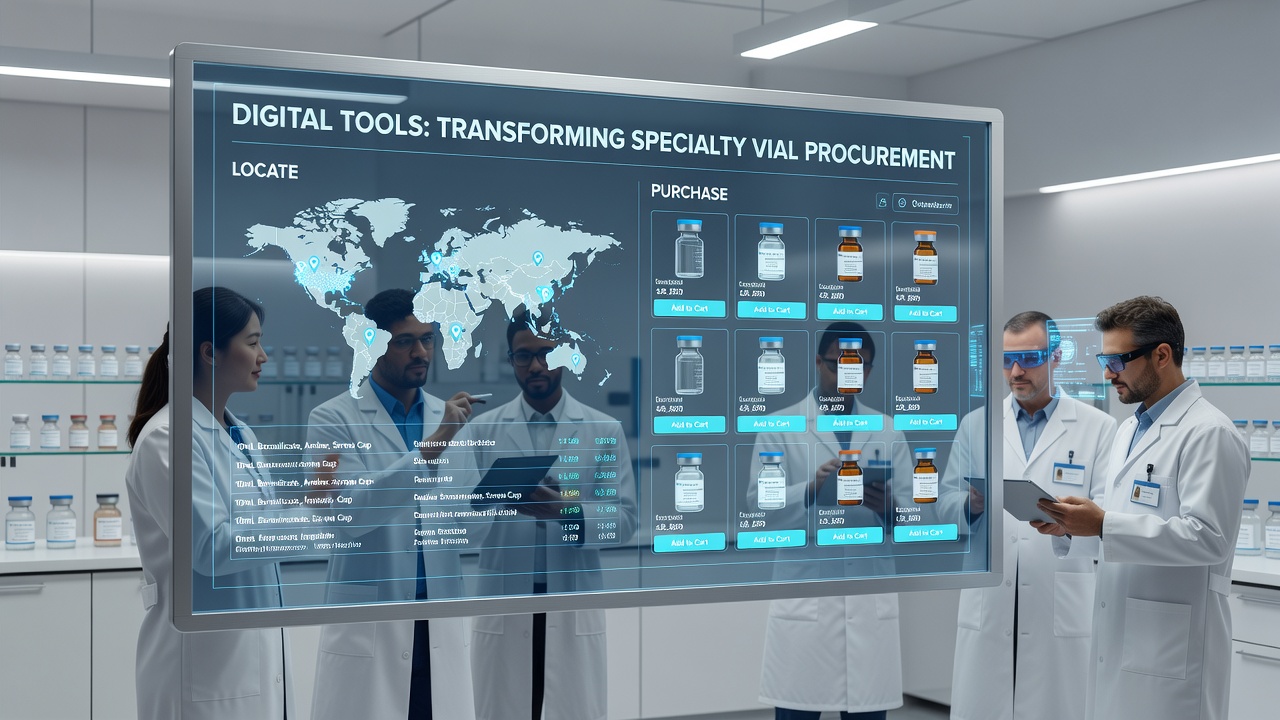
Digital platforms have reshaped the way researchers identify and acquire specialty vials for laboratory applications, moving beyond traditional supplier catalogs toward integrated online systems that aggregate product data across global vendors. These tools compile specifications such as material composition, volume capacity, and compatibility with analytical instruments, which enables users to filter options based on precise experimental requirements while cross-referencing inventory levels from multiple distributors in real time.
Search algorithms now incorporate semantic matching that interprets technical queries, for instance distinguishing between borosilicate glass vials for chromatography and polypropylene options suited for cryogenic storage, and they pull results from supplier databases that update dynamically. Data from industry reports indicate that adoption of such platforms has accelerated since 2023, with usage metrics showing increased transaction volumes for items like HPLC vials and autosampler containers as institutions streamline procurement workflows.
Database Aggregation and Advanced Search Capabilities
Specialized databases serve as central hubs where researchers input parameters including chemical resistance ratings, sterility certifications, and closure types, then receive ranked lists drawn from supplier networks spanning North America, Europe, and Asia-Pacific regions. These systems often integrate with regulatory compliance checkers that flag products meeting standards from bodies like the U.S. Food and Drug Administration or the European Medicines Agency, reducing the time spent verifying documentation manually. Observers note that features such as batch traceability and certificate-of-analysis downloads have become standard, allowing direct comparison of pricing structures that factor in bulk discounts and regional shipping variations.
One study from academic institutions revealed patterns where users who employed multi-vendor aggregation saved an average of 30 percent on procurement cycles compared with legacy methods, because the platforms highlight equivalent alternatives when primary selections face stock shortages. Integration with laboratory information management systems further automates reordering triggers based on consumption data, creating seamless transitions from inventory alerts to purchase orders without intermediate steps.
AI-Driven Recommendation and Verification Systems
Machine learning models analyze historical purchase data alongside current research trends to suggest vials that align with emerging protocols, such as those required for high-throughput screening or environmental sample preservation. These recommendations draw from anonymized datasets that identify correlations between vial dimensions and assay performance metrics, while built-in verification layers scan for counterfeit indicators through barcode authentication and supplier reputation scoring. In September 2026, updates to several platforms introduced enhanced predictive analytics that forecast demand spikes for specific vial formats during peak grant cycles, helping institutions maintain adequate reserves without overstocking.
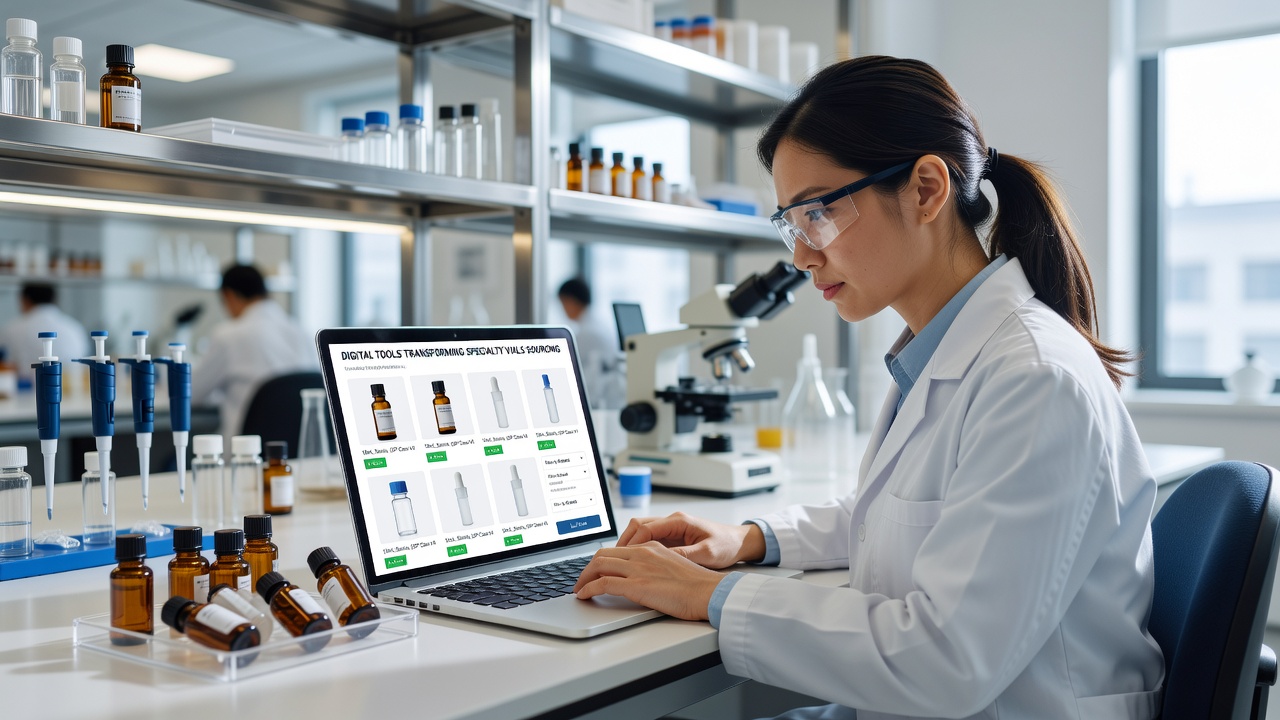
Researchers access augmented reality overlays on mobile interfaces that visualize how a given vial integrates with existing equipment racks or robotic handlers, which minimizes ordering errors that previously led to compatibility issues. Figures from research institutions show that error rates in vial selection dropped notably after these visual tools entered widespread use, as they provide side-by-side comparisons of thread finishes and septum materials directly within the ordering interface.
Supply Chain Transparency and Regional Market Adaptations
Blockchain elements embedded in select procurement portals track the origin of raw materials used in vial manufacturing, offering immutable records that satisfy audit requirements from funding agencies and ethics boards. This transparency extends to environmental impact metrics, where users review carbon footprints associated with different production sites before finalizing selections. Platforms tailored for specific regions incorporate local currency conversions and compliance with area-specific import regulations, such as those enforced by Health Canada or Australia's Therapeutic Goods Administration, which streamlines cross-border acquisitions that once involved separate customs documentation.
Market analyses indicate that specialty vial transactions conducted through digital channels grew steadily through 2025, driven by features that bundle related consumables like caps and septa into single checkout processes. Those who manage high-volume labs often discover that automated price alerts notify them of fluctuations tied to raw material costs, enabling timely purchases that align with budget cycles.
Conclusion
Digital tools continue to refine the processes researchers employ when sourcing specialty vials, with ongoing enhancements in data integration, verification protocols, and predictive features that support efficient laboratory operations across diverse scientific fields. These developments reflect broader shifts in how scientific procurement adapts to online environments that prioritize accuracy, compliance, and accessibility.